Foodservice Packaging Materials Accepted
Paper cups*Paper bags
Pizza boxes
Molded fiber carriers/takeout containers
Molded fiber egg cartons
PET cups
PP cups and containers
Aluminum foil containers/pans/trays
*New items added during partnership
Background
Groot Industries, operating under Waste Connections, holds a prominent position in the Chicagoland area, providing comprehensive waste management services to over 436,000 households. The company serves 30 communities across several counties in Illinois, including Cook, DuPage, Kane, Kendall, Lake, McHenry and Will County.
Groot Industries has played a significant role in the recycling landscape in the Chicago region, transitioning from traditional waste collection to a holistic approach, incorporating source reduction, recycling, and special waste management to reduce disposal volumes. The company’s strong presence in the region and its successful track record made it a great choice to be FPI's first partner in the Chicagoland area, signifying a significant milestone in a larger regional initiative.
Operational and End Market Planning
In collaboration with FPI, Groot expanded its curbside recycling program to include paper cups. This initiative encompassed an assessment of operational logistics, equipment requirements, market accessibility, and cost-effectiveness. After securing alignment among all stakeholders in the recycling chain, Groot officially integrated paper cups into its recycling program.
Outreach & Education
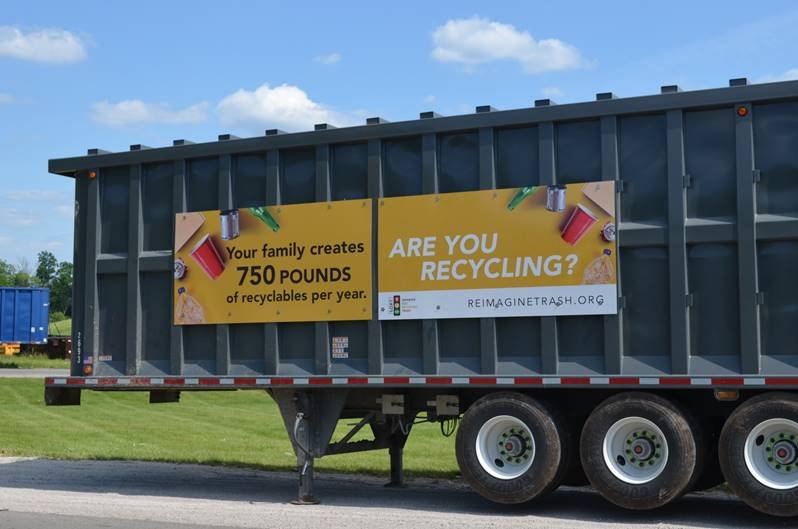
In 2023, FPI awarded Groot a communications grant to inform customers about the newly added recyclable material and to promote the recycling of previously accepted foodservice items, including pizza boxes, plastic cups, and aluminum foil food packaging. This grant funded an outreach campaign and the development of educational materials including social media graphics, a website banner, hauler truck wraps, and customized online video and Spotify ads. The campaign emphasized the inclusion of paper cups and reiterated the importance of ensuring that all recyclables are clean and empty before being placed in recycling carts.
Once paper cups enter the recycling system, mills in the Great Lakes region can use them to manufacture various everyday paper products like paper towels, toilet paper, napkins, and even new paper cups.
Results
The outreach campaign garnered significant engagement across the Chicagoland area, reaching an estimated audience of over 266,000 and generating more than 150 million impressions through various tactics. During the campaign months, there was a remarkable 134% increase in Facebook post reach and a 23% surge in website visits.
Groot received numerous customer inquiries about the addition of paper cups, largely attributable to the ads and social media graphics. Interestingly, Groot observed a notable rise in the inclusion of paper cups in its recycling stream during the months following the campaign launch without a corresponding increase in contamination.
“Through our partnership with the Foodservice Packaging Institute, our journey towards sustainable waste management has reached new heights. With their help, we achieved remarkable success in our region by successfully introducing a new item into our recycling stream,” said Javier Erazo, Groot Material Recovery Facility Manager. “This milestone not only showcases our shared commitment to environmental stewardship but also exemplifies the power of collaboration in creating a greener future. We are immensely proud to be part of this achievement.”
Next Steps
FPI is working with other stakeholders in the Chicago region to expand the reach of these additions and the educational campaign.
Given Groot's high degree of satisfaction with the campaign's outcomes, FPI is now extending its partnership with Waste Connections. The plan is to replicate the success with similar campaigns in other regions served by the company.
September 2023
More Case Studies
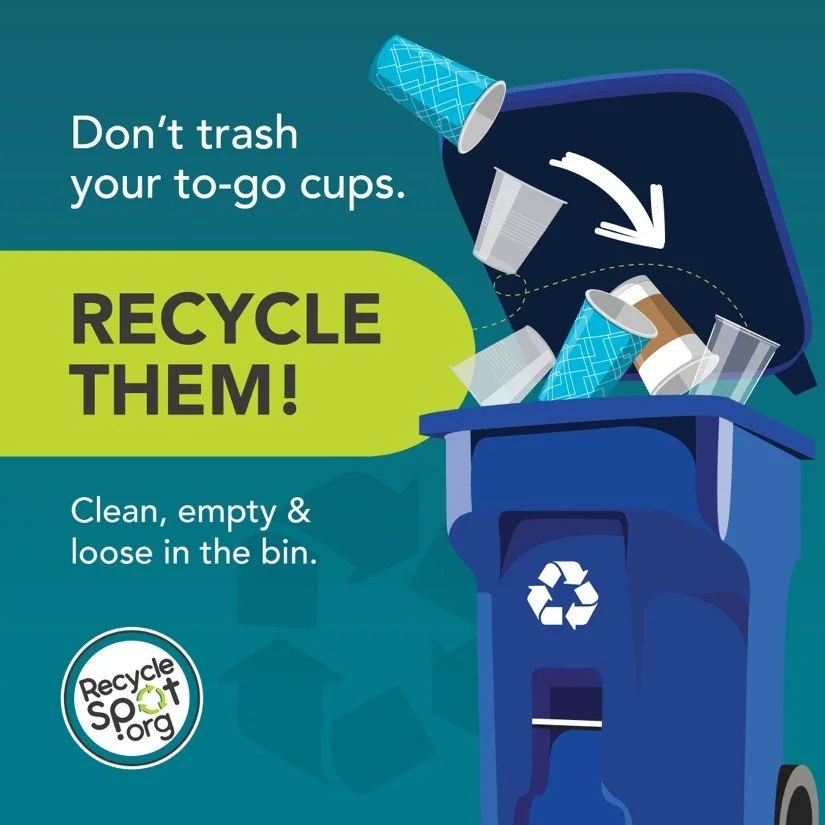
The Mid-America Regional Council Solid Waste Management District (MARC SWMD), the regional solid waste planning agency serving local governments across the Kansas City metropolitan region, and FPI collaborated to add paper and plastic cups as accepted materials for recycling and reinforce recycling other already accepted takeout packaging.
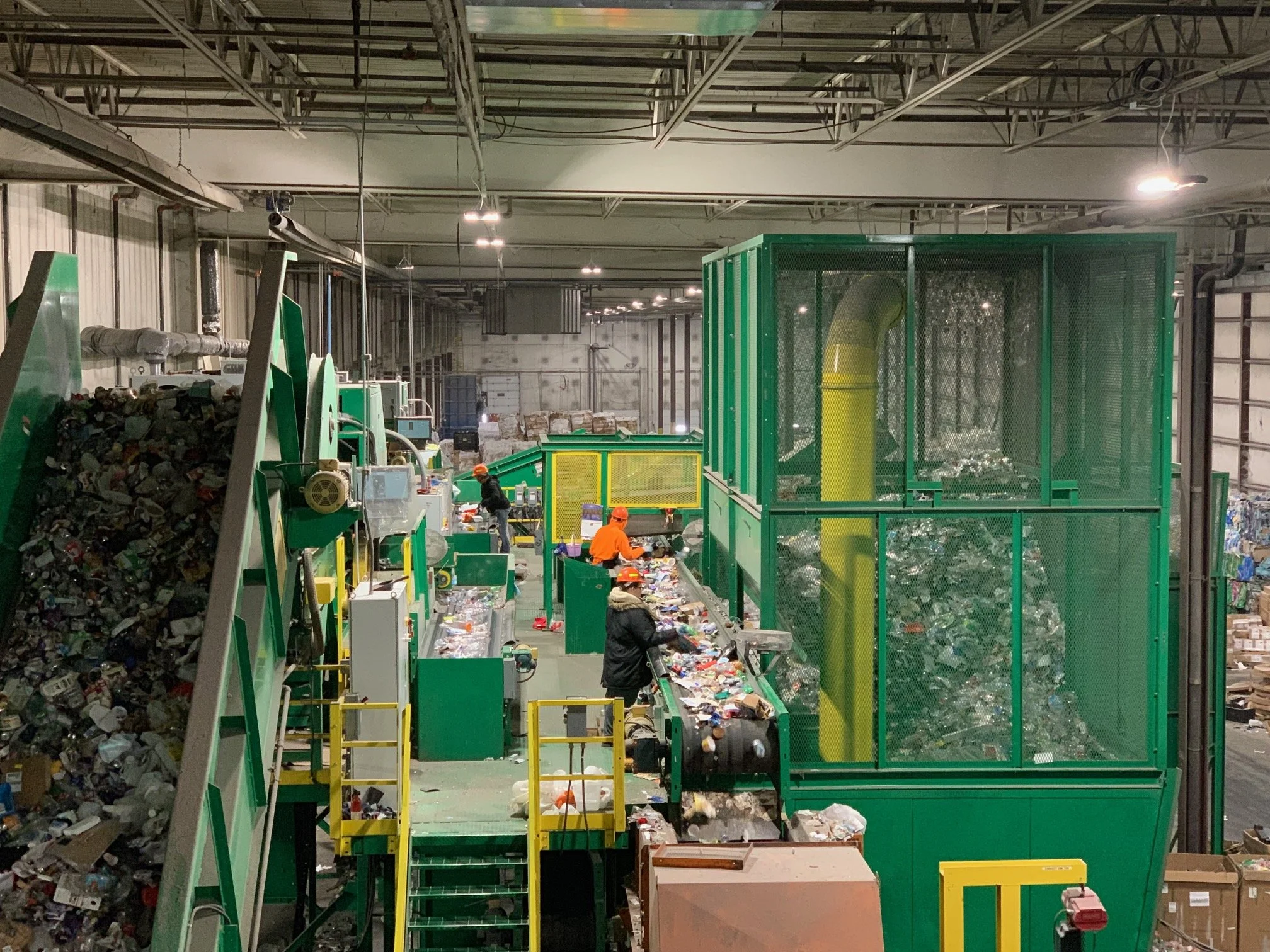
First Star Recycling and FPI collaborated to add paper cups as accepted materials for recycling and reinforce recycling other already accepted takeout packaging.
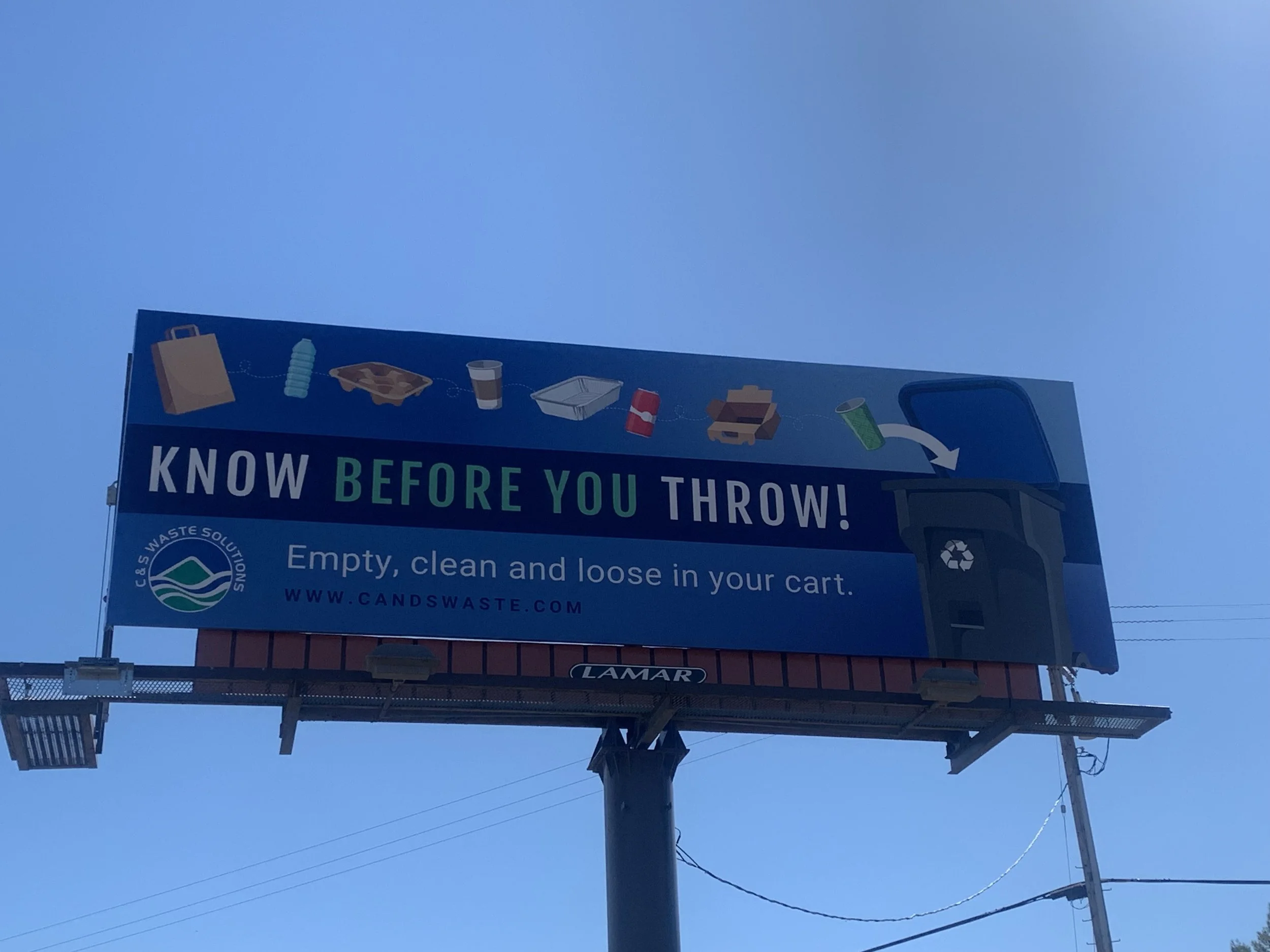
C&S Waste Solutions and FPI collaborated to add hot and cold beverage cups as accepted materials for recycling and reinforce simple recycling best practices.
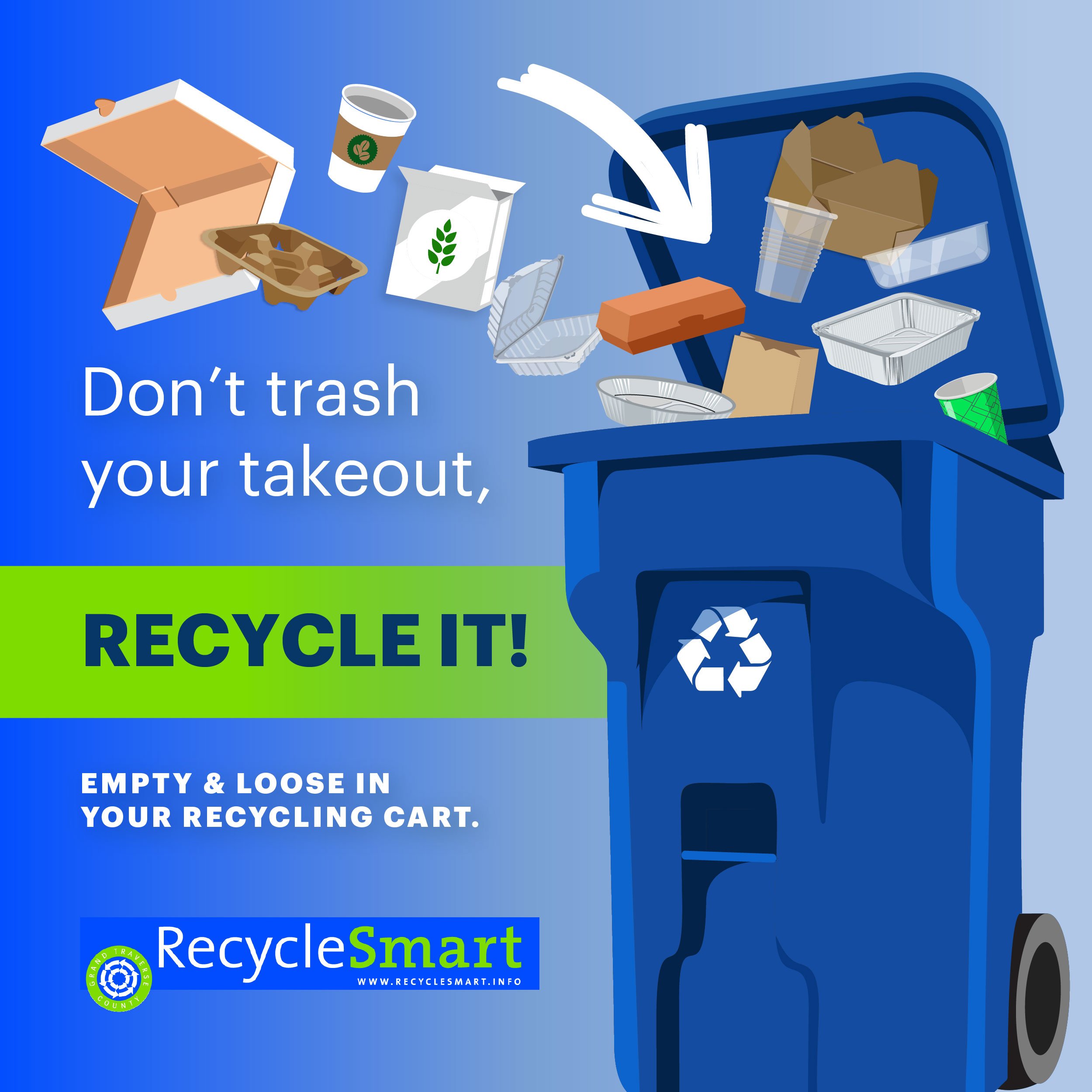
Grand Traverse County, MI, residents can reduce waste by recycling their clean, empty paper cups and pizza boxes in curbside recycling carts and at local drop-off centers.

Over 500,000 households in the Hampton Roads region of Virgina, can now recycle hot and cold paper cups as part of their recycling program.
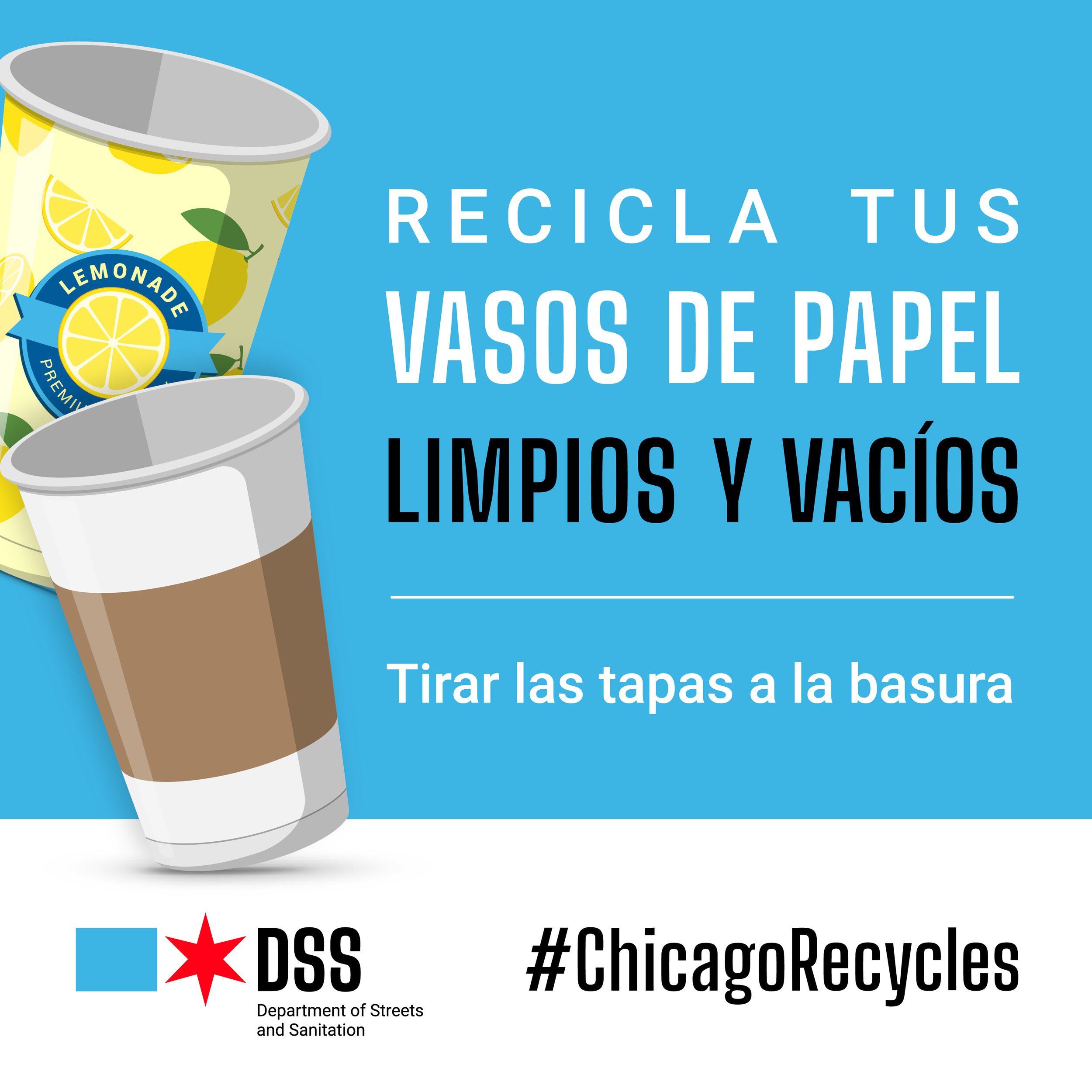
Chicago’s Department of Streets and Sanitation is asking residents to recycle their clean and empty paper cups and other takeout containers.
FPI awarded Groot a communications grant to inform residents about newly added recyclable materials, emphasizing the inclusion of paper cups, and reiterating the importance of ensuring all recyclables are clean and empty before placing in recycling carts.

Following the installation of the robotic sorter, the City of Madison, Pellitteri, and FPI collaborated on a focused educational campaign aimed at informing residents and customers about the recent modifications to the recycling program.


ACC's longstanding partner mills readily accepted bales containing paper cups. FPI facilitated discussions between RMPF and the mills, and ACC broadened its list of acceptable items to include paper cups and paper take-out containers.

Leveraging FPI's track record of successful community partnerships as evidence of paper cup recyclability, and securing approval from St. Lucie's collaborating mills, the County began including paper cups in its mixed paper bales.
The County’s strong commitment to sustainability made it an ideal candidate to expand its recycling program to incorporate a range of foodservice items, like cups and containers, through an FPI Community Partnership.
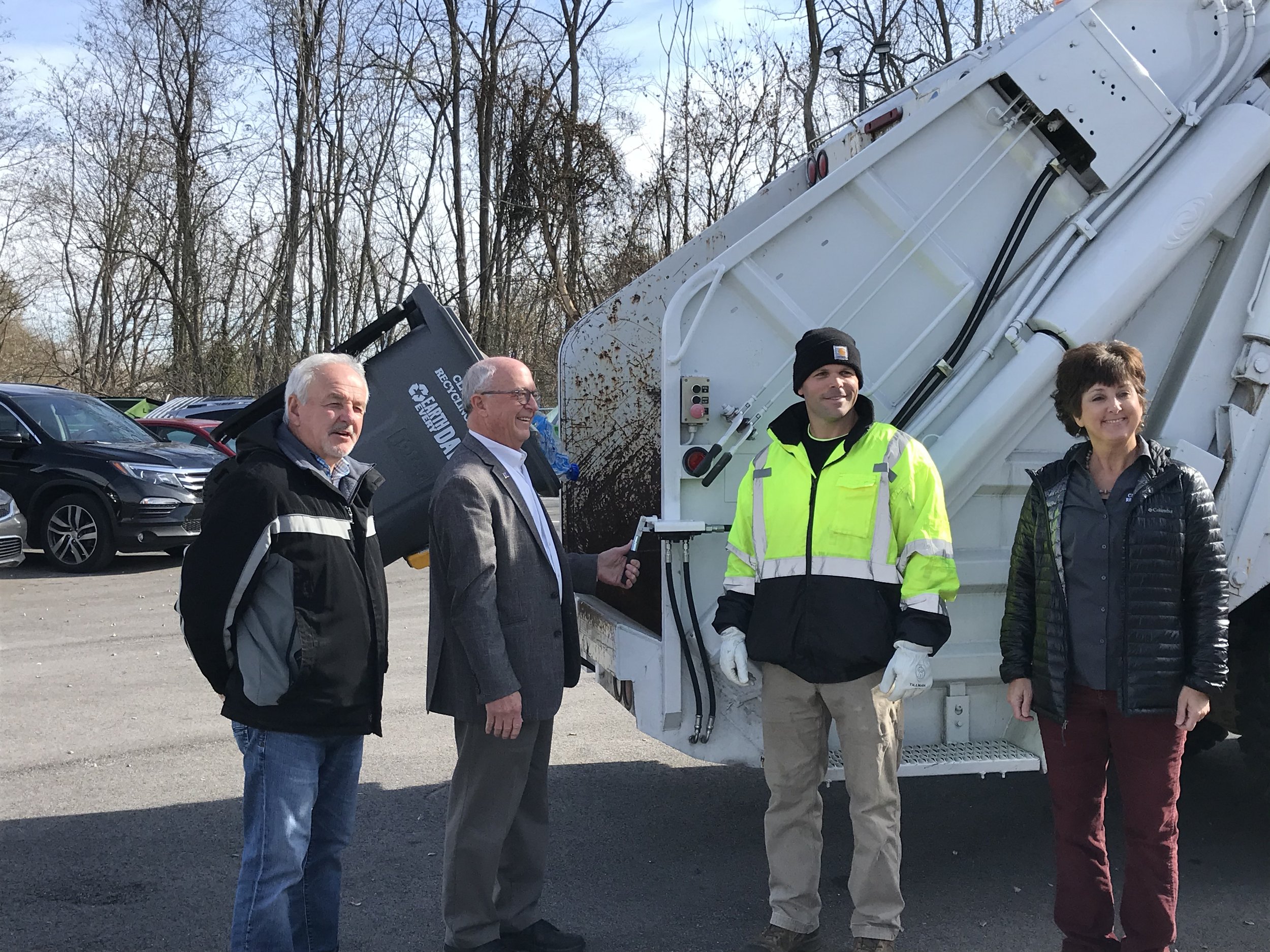
Clark County began incorporating paper cups, along with a variety of other paper foodservice items, into its mixed paper bales. The MRF subsequently sold this high-quality fiber to local paper mills in the region, where it could be reprocessed into new products.

Following the FPI’s market-based approach, the parties communicated regarding the proposed change in Sioux Falls' recycling program to ensure alignment between Millennium Recycling and its partner mill, WestRock in St. Paul, Minnesota.

Sustana committed to providing an off-take agreement for a combined paper cup/carton bale produced at the Alpine MRF in Denver. Following this change, the city of Denver carried out a targeted educational campaign to notify residents.

More households in Chicago and the surrounding area can now recycle paper cups along with other take-out containers.
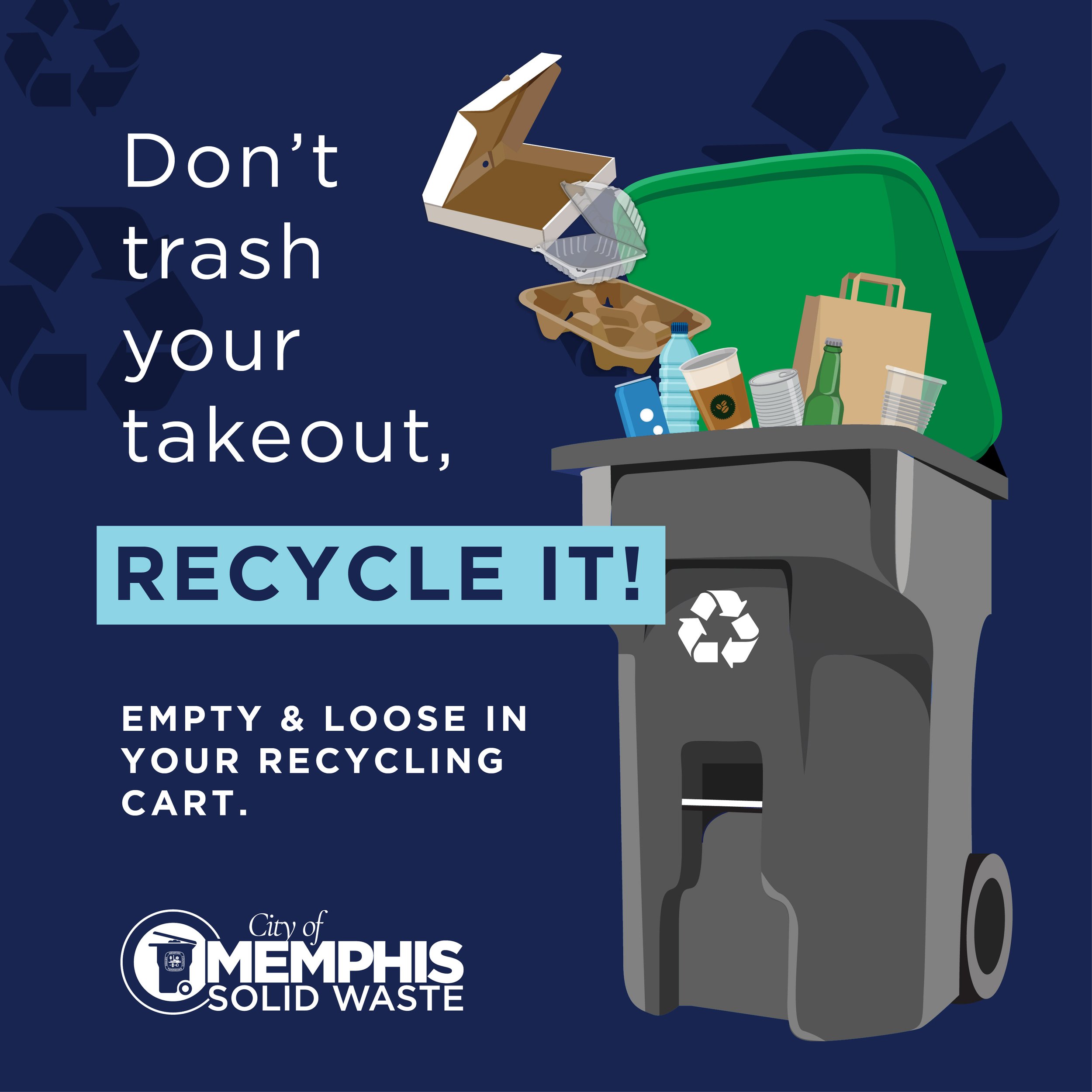
More than 182,000 households in the Memphis area are now able to recycle paper cups alongside already accepted foodservice packaging.

FCC Environmental Services has installed new robotic sorting technology at its MRF enabling greater Dallas area residents to recycle paper cups, and improved recycling of food and beverage cartons.

Eight municipalities in the Tulsa metropolitan area with over 252,000 households can recycle hot and cold paper cups.

FPI is working closely with local material recovery facilities (MRFs) and paper mills in North and South Carolina to add paper cups as an acceptable commodity for residential curbside recycling.